
Asociación para el Desarrollo Campesino ADC
Areas of Work:
Food sovereignty and biodiversity conservation.
Heirs of the planet.
Popular communication.
Organization and management for local bienvivir (good living).
Quantitative Data:
The second-tier organization ADC hosts first-tier organizations such as 4 Associative Mingas (collective work groups) and 8 Interest Groups, involving approximately 1,025 people (200 families) directly within the organizations, with representation of approximately 590 women, 435 men, 249 youth, 122 indigenous people, and 903 peasants.
Approximately 484 hectares under good agricultural practices, 1,470 hectares under good environmental practices.
Support for 200 families with Seed Capital Funds in strategic lines of sustainable production, natural reserves (community tourism), and youth entrepreneurship.
Services Offered: Since ADC took the step to promote the figure of Civil Society Natural Reserve in Colombia as a voluntary conservation figure in our country, affection, trust, and friendship have been the foundation of Environmental Education and responsible tourism, which is essential today in the current context of ecological crisis and sustainability. This is why various authors have addressed this intersection, highlighting how tourism can be an effective tool to foster environmental awareness and promote sustainable practices, recognizing and valuing the environments that guide bienvivir (good living).
For his part, Ralf Buckley, in “Environmental Management in Tourism,” stresses that tourism has the potential to be a platform for generating global awareness about environmental problems such as climate change and biodiversity loss. Buckley argues that, by educating tourists about these challenges, they are motivated to act and advocate for positive change in their own communities. C. Michael Hall, in his book “Tourism and Sustainability,” highlights that environmental education is fundamental to the practice of sustainable tourism. Hall suggests that, by integrating education into tourist experiences, travelers’ perceptions of the environment can be changed and more responsible behavior can be encouraged. This approach allows tourism not only to be a source of income but also a means to raise awareness about the importance of protecting ecosystems.
This is why, from the process of the Association for Peasant Development (ADC), we share these premises, considering environmental education as a pillar in sustainable tourism, as it is the door that allows locals and visitors to know the work of conservation and protection of the natural, social, economic, political, cultural, spiritual, and technological environments, developed for more than 45 years in our social process and from the Civil Society Natural Reserves. Here, the interrelation between environmental education and tourism is fundamental to address contemporary challenges related to the environment, because by integrating environmental education into tourism, the traveler’s experience is not only enriched, but greater responsibility and action towards conservation are also promoted for both locals and visitors.
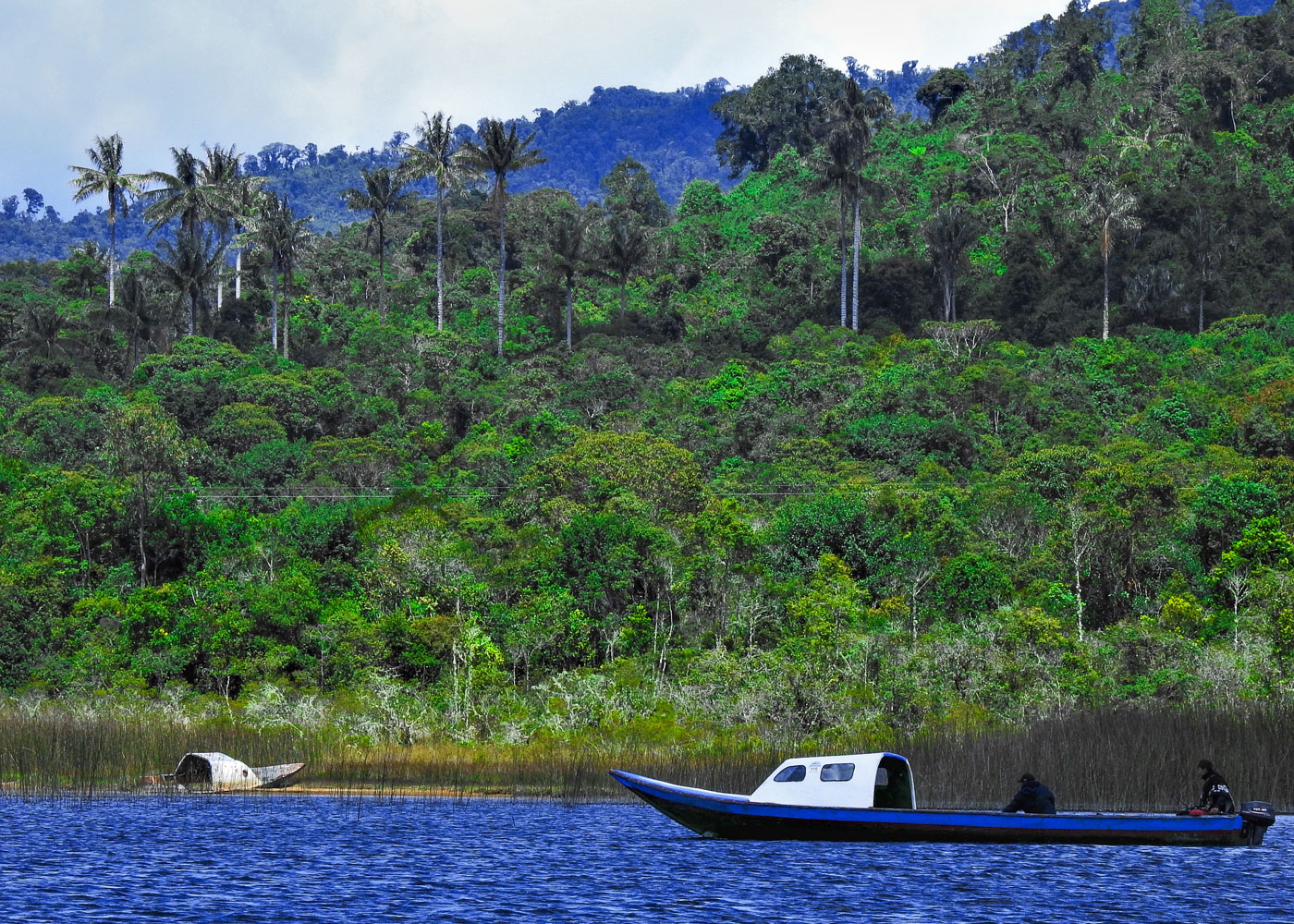
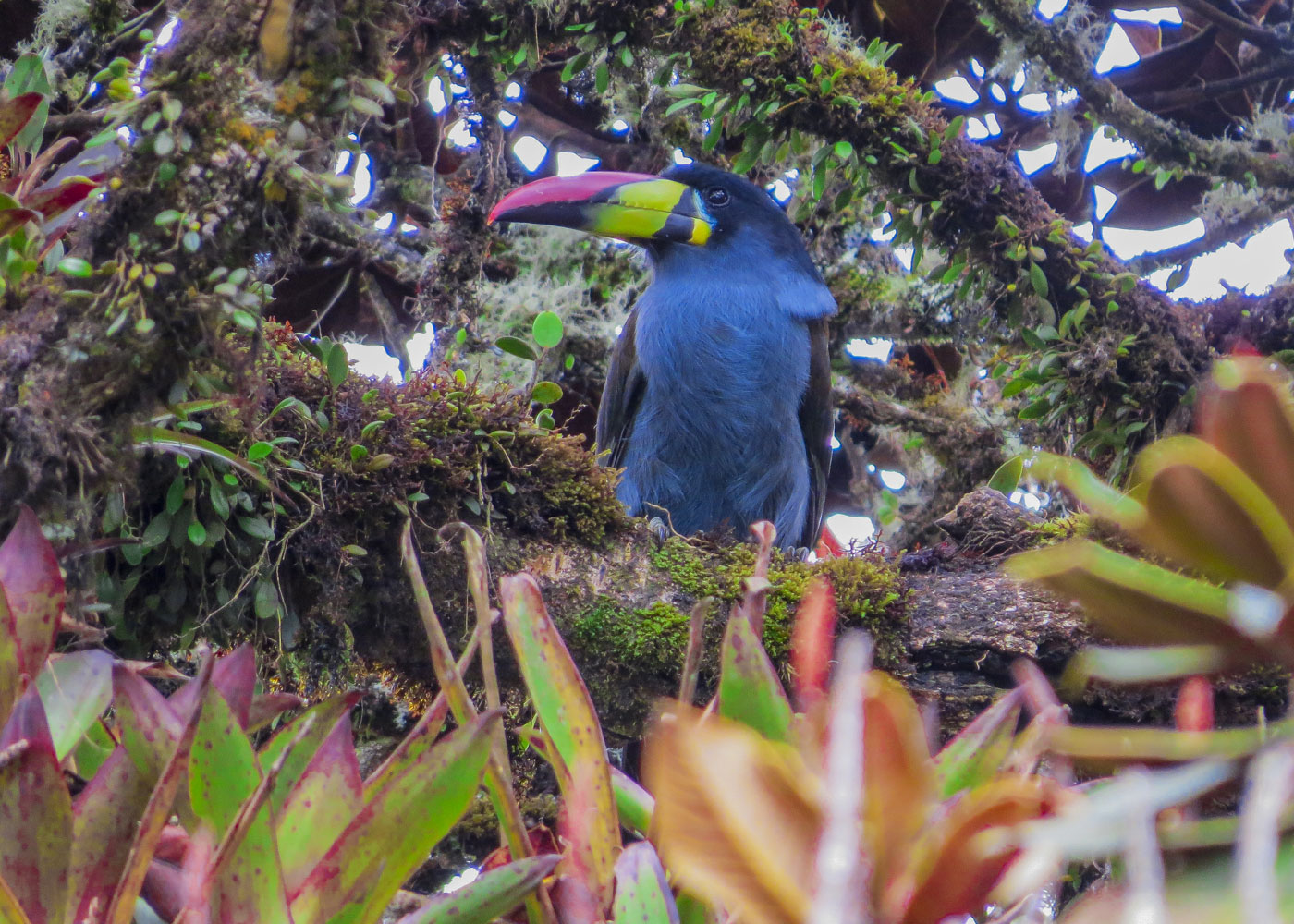
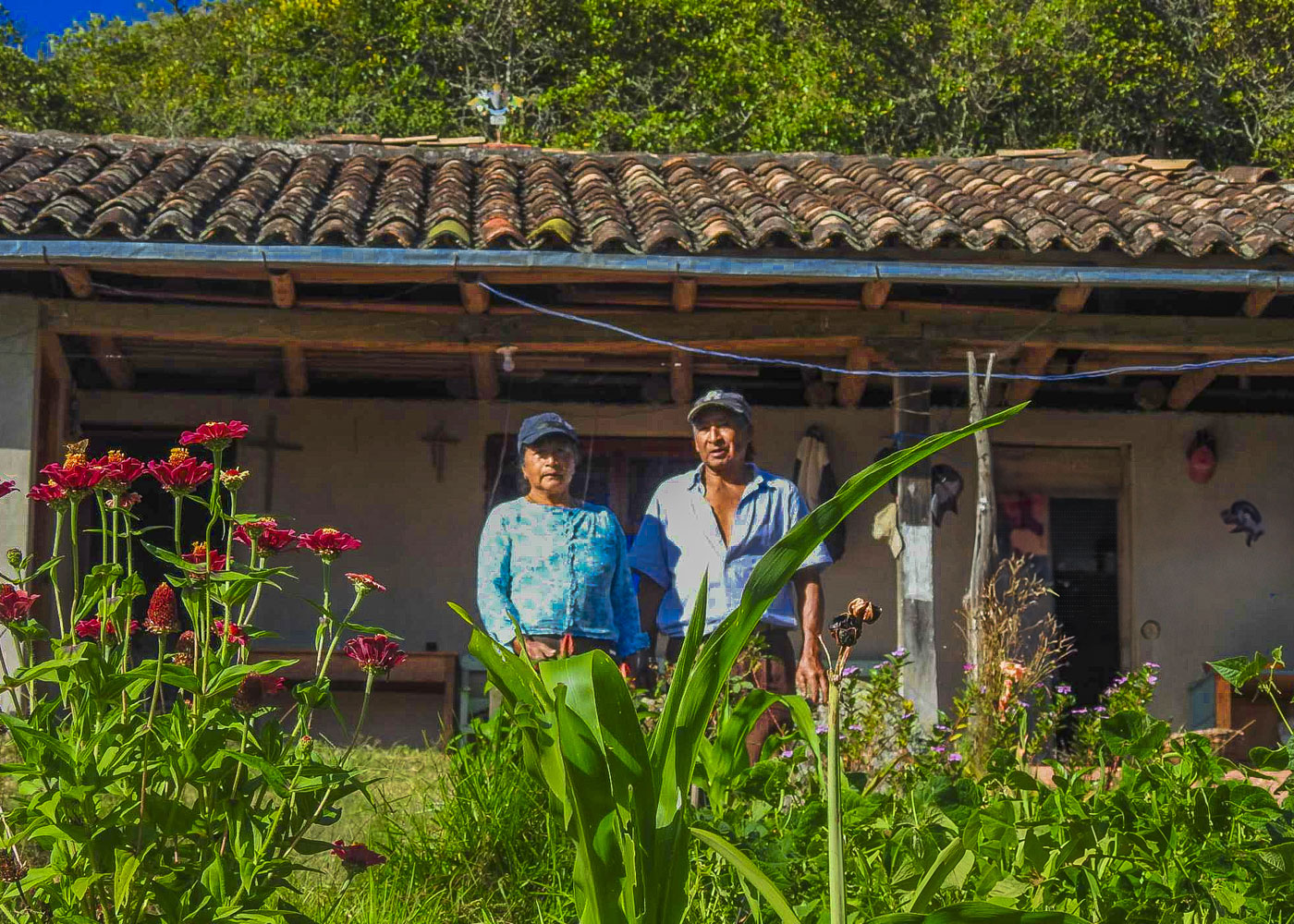
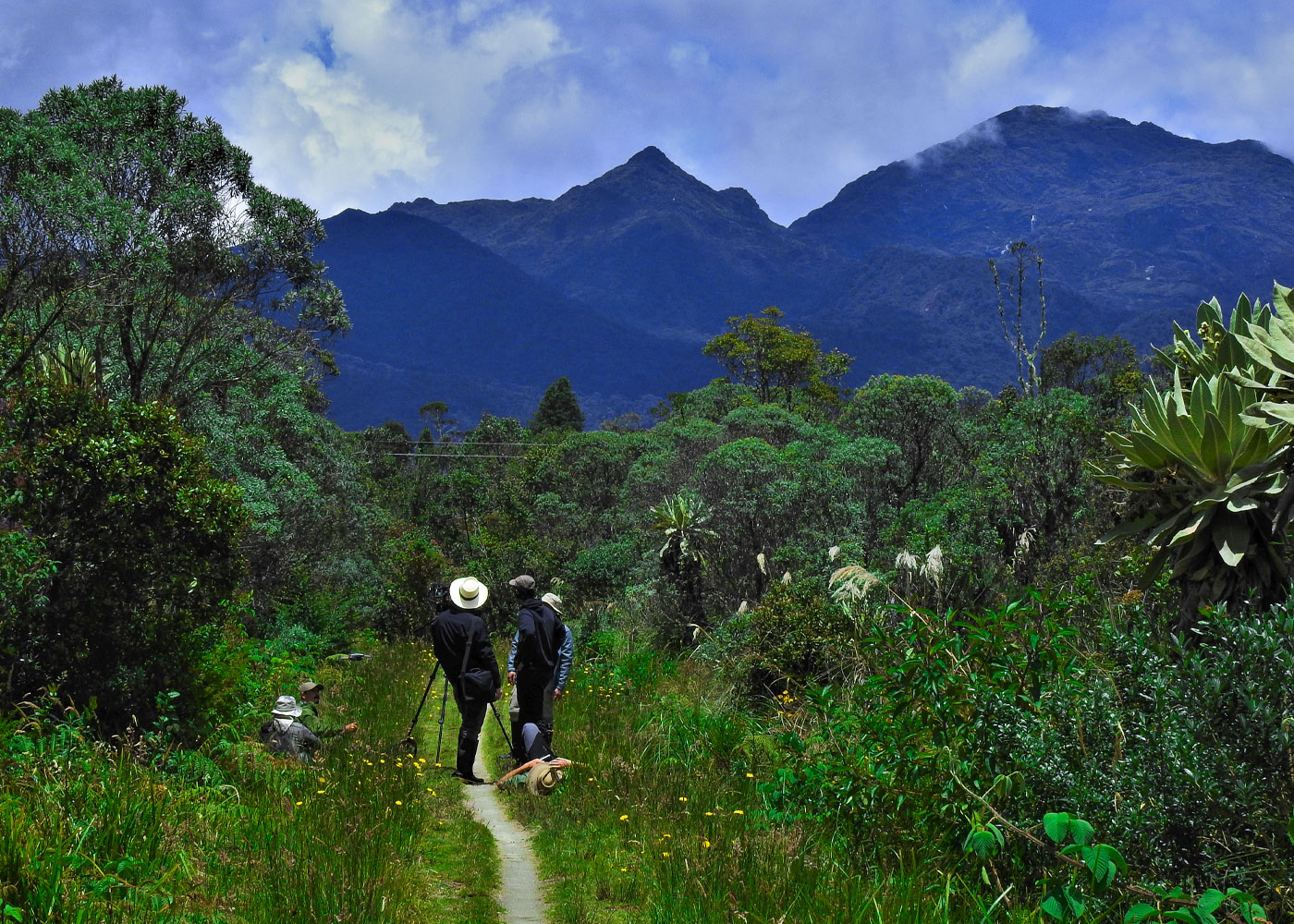
We provide an articulating focus between environmental education and rural community and sustainable tourism. Visitors will have the opportunity to identify the different destinations offered by the Civil Society Natural Reserves of ADC in southwestern Colombia, which will lead them to share with affection with rural families and at the same time enjoy beautiful landscapes in the high Andean forest and azonal páramos (moorlands) ecosystems, as well as the culture, warmth, knowledge, and traditional flavors of the peasant and indigenous communities, taste real food produced with agroecological principles and prepared with products from the gardens, wake up to the singing of birds, be dazzled by the majesty of the La Cocha Lagoon, enjoy the variety of cold and warm climates, share human values, myths, legends, traditions, art, among other natural and cultural wonders.
- Promotional Presentation:
- Contact Information: